Industrial Cleaning Melbourne: A Complete Guide for Businesses
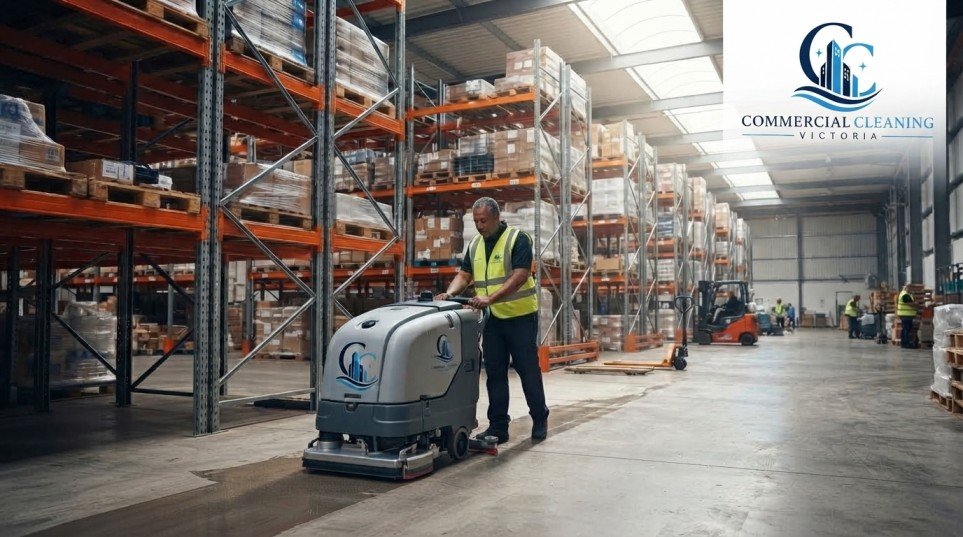
Industrial spaces don’t clean like an office. Factories, warehouses, and production sites face dust, grease, machinery residue, and heavy foot traffic every day. A quick wipe-down won’t cut it.
That’s why industrial cleaning Melbourne businesses rely on looks nothing like standard commercial cleaning. It needs the right equipment, the right process, and a team that understands how industrial sites actually run.
This guide covers everything you need to know: what industrial cleaning involves, why it matters, what it costs, and how to choose the right provider in Melbourne.
What Is Industrial Cleaning?
Industrial cleaning is a specialized service built for factories, warehouses, and similar facilities. It goes beyond general tidying. It targets the specific problems these environments create.
Industrial sites deal with:
- Heavy dust and debris buildup
- Grease and oil residue from machinery
- Large open floor areas
- High foot and vehicle traffic
- Strict workplace safety requirements
Office cleaning focuses on desks, carpets, and shared spaces. Industrial cleaning focuses on concrete floors, heavy machinery, storage racking, and loading zones. The table below breaks down the difference.
| Factor | Commercial/Office Cleaning | Industrial Cleaning |
|---|---|---|
| Typical site | Offices, retail, clinics | Factories, warehouses, production plants |
| Main challenge | Dust, foot traffic, general hygiene | Grease, machinery residue, heavy debris |
| Equipment used | Standard vacuums, mops | Industrial scrubbers, degreasers, high-pressure units |
| Floor type | Carpet, tile, vinyl | Concrete, epoxy, sealed industrial flooring |
| Safety requirements | Basic hygiene standards | WHS compliance, PPE, machinery safety zones |
| Cleaning frequency | Daily or weekly | Varies by traffic, often daily to fortnightly |
Why Industrial Cleaning Matters for Melbourne Businesses
A clean industrial facility isn’t just about appearance. It affects how a business runs every single day.
Health and safety. Dust, spills, and clutter create hazards for staff working near machinery or moving stock.
Productivity. A well-maintained site is easier to move through. Staff work more efficiently when the space is clear.
Equipment care. Regular cleaning reduces dust and grime buildup that can wear down machinery over time.
Presentation. Clients, suppliers, and inspectors visit industrial sites often. A clean facility reflects a professional operation.
Compliance. Many Victorian workplaces must meet hygiene and safety standards under WHS regulations. Cleaning plays a direct role in meeting them.
For Melbourne businesses in competitive industries, a proper cleaning plan isn’t optional. It’s part of running a serious operation.
Areas Industrial Cleaning Covers
Industrial cleaning is broad because industrial sites have many different zones. Each zone has its own needs.
| Area | What It Needs |
|---|---|
| Factories | Production floor cleaning, machinery surrounds, dust and debris control |
| Warehouses | Large-scale floor cleaning, shelving dust removal, storage zone upkeep |
| Production areas | Careful cleaning around equipment and active workstations |
| Workshops | Grease removal, metal shaving cleanup, general clutter control |
| Storage areas | Dust prevention and stock access maintenance |
| Common areas | Break rooms, corridors, and shared spaces standard hygiene applies |
| On-site offices | Standard office cleaning within the wider industrial site |
| High-traffic zones | Entryways, loading docks, and walkways often need daily attention. |
Common Industrial Cleaning Tasks
Depending on the site, industrial cleaning can include:
- Floor sweeping, scrubbing, and mopping
- Dust removal from surfaces, shelving, and equipment surrounds
- Waste and rubbish removal
- Window and glass cleaning
- Bathroom and break room cleaning
- High-level dusting in warehouses and production zones
- General tidying of storage and workspace areas
- Degreasing of machinery surrounds and workshop floors
How Professional Industrial Cleaning Works
A professional industrial cleaning service follows a structured process. This keeps results consistent and avoids disrupting your operations.
- Site assessment. The provider reviews your layout, equipment, and specific cleaning needs.
- Cleaning plan. A schedule and scope get set based on how your business operates.
- Scheduled cleaning. Work happens during suitable hours during operations, after hours, or on weekends.
- Consistent standards. The same process runs every visit, so results stay reliable over time.
This structure means cleaning fits around your business. It doesn’t get in the way of it.
Benefits of Hiring Professional Industrial Cleaners
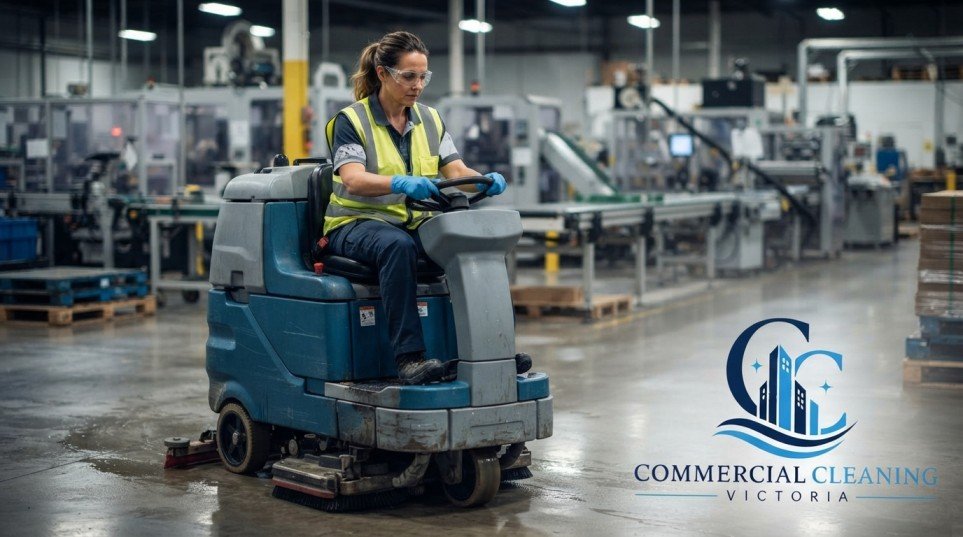
Managing cleaning in-house takes staff away from their real jobs. Bringing in professional industrial cleaners solves that and adds a few more advantages.
| Benefit | Why It Matters |
|---|---|
| Time savings | Staff focus on their actual roles, not cleaning duties. |
| Consistent results | A dedicated team follows the same standard every visit. |
| Proper equipment | Cleaners use tools built for large floors and industrial surfaces |
| Flexible scheduling | Cleaning fits around production hours or quiet periods. |
| Reduced hazards | Regular cleaning manages dust, spills, and clutter before they become risks |
| Compliance support | Providers understand WHS requirements for industrial sites. |
How Often Should an Industrial Facility Be Cleaned?
Cleaning frequency depends on your facility type and how it’s used. Here’s a general guide.
| Facility Type | Recommended Frequency |
|---|---|
| High-traffic warehouses | Daily or several times per week |
| Production areas | Aligned with shift changes or production runs |
| Storage areas and workshops | Weekly or fortnightly |
| On-site offices | Standard office cleaning schedule |
| Loading docks and entryways | Daily, due to constant traffic |
The right frequency depends on your specific site. It’s worth discussing your operations with a cleaning provider to build a realistic schedule.
What Affects Industrial Cleaning Costs?
Industrial cleaning pricing varies more than office cleaning. Several factors shape the final quote.
| Cost Factor | Impact on Price |
|---|---|
| Facility size | Larger floor areas take more time and labor. |
| Cleaning frequency | Daily cleaning costs more overall than weekly or fortnightly visits. |
| Level of grease/debris buildup | Heavier buildup needs more equipment and time. |
| Access requirements | After-hours or weekend work can affect scheduling costs |
| Specialized equipment needs | Degreasing, high-pressure cleaning, or floor scrubbing adds to the cost. |
| Site safety requirements | Machinery zones may need extra time for safe cleaning. |
Most providers offer a free site visit before quoting. This gives an accurate price instead of a generic estimate.
How to Choose an Industrial Cleaning Company in Melbourne
Not every cleaning provider is set up for industrial environments. When comparing options, look at:
- Experience with industrial sites. Factories and warehouses differ from offices and retail spaces.
- Cleaning processes. Ask how they handle large floor areas, dust control, and high-traffic zones.
- Professional equipment. Industrial cleaning needs tools suited to concrete floors and large spaces.
- Workplace safety awareness. A good provider knows how to work safely around machinery.
- Consistent standards. Look for a provider who delivers the same quality every visit.
- Flexible scheduling. Your cleaner should work around your operating hours, not the other way around.
- Understanding of your business. A provider who learns your site delivers more relevant results.
- Reliability. Missed cleaning can affect operations, so consistency matters.
Questions Worth Asking Before You Hire
- Do they have experience cleaning factories or warehouses like yours?
- Can they provide a clear, transparent quote?
- Can they work around your operating schedule?
- Do they use equipment suited to industrial surfaces?
- Will you have a consistent point of contact?
Asking these questions upfront avoids mismatched expectations later.
DIY Cleaning vs Professional Industrial Cleaning
Some businesses try to manage industrial cleaning with in-house staff. It’s worth weighing the trade-offs.
| Factor | DIY / In-House | Professional Industrial Cleaners |
|---|---|---|
| Equipment | Limited to what’s on hand | Industrial-grade tools and machines |
| Consistency | Varies by staff availability | Fixed schedule, same standard every visit |
| Safety compliance | Depends on internal training | Providers trained in WHS-compliant cleaning |
| Staff time | Pulls staff away from core work | Frees staff to focus on their roles |
| Cost | Lower upfront, higher hidden cost | Predictable, scoped pricing |
| Results | Inconsistent over time | Reliable, professional standard |
Common Mistakes Businesses Make With Industrial Cleaning
Even experienced businesses get industrial cleaning wrong sometimes. Watching for these mistakes saves time, money, and safety headaches.
Treating it like office cleaning. Concrete floors, machinery, and grease need different tools and methods than carpet and desks. A provider without industrial experience often under-delivers.
Cleaning too infrequently. Dust and debris build up fast in high-traffic warehouses. Waiting too long between cleans lets small hazards turn into bigger ones.
Ignoring high-traffic zones. Loading docks and entryways see constant movement. Skipping them creates safety risks and tracks dirt into cleaner areas.
Skipping site assessments. A generic cleaning plan rarely fits an industrial site. Every factory and warehouse has its own layout and risks.
Choosing on price alone. The cheapest quote often means less experience, fewer staff, or lower-grade equipment. That usually shows up in the results.
No clear communication. Cleaning around active machinery and shift changes needs coordination. Without it, cleaning teams and site staff get in each other’s way.
Sustainable & Eco-Friendly Industrial Cleaning Practices
More Melbourne businesses now ask for greener cleaning methods. Industrial sites can adopt sustainable practices without compromising on results.
- Low-toxicity cleaning agents. Reduce chemical exposure for staff and the environment while still handling grease and grime effectively.
- Water-efficient equipment. Modern scrubbers and pressure units use less water per clean than older machines.
- Waste segregation. Proper sorting of industrial waste supports recycling and reduces landfill impact.
- Energy-conscious scheduling. Cleaning during natural light hours or off-peak energy periods can lower a facility’s overall footprint.
- Reusable equipment over disposables. Microfibre and reusable tools cut down on single-use waste compared to disposable wipes and mops.
These practices matter for businesses tracking their environmental impact, and they often align with broader workplace sustainability goals.
Why Choose Commercial Cleaning Victoria for Industrial Cleaning
Melbourne has no shortage of cleaning companies. Few specialize in industrial and factory environments the way Commercial Cleaning Victoria does.
Local knowledge. Our team understands Melbourne’s industrial precincts, from inner-city warehouses to outer-suburb production facilities. Read more about us and how we work.
Trained staff. Our cleaners know how to work safely around machinery, forklifts, and active production zones.
Flexible scheduling. We work around your shifts, not the other way around, including after-hours and weekend cleaning.
Scalable service. Whether you run a small workshop or a large distribution center, our team scales the cleaning plan to match your site.
Transparent pricing. We assess your site first, then provide a clear quote no vague estimates or hidden charges.
Related Cleaning Services
Industrial sites often need more than one type of cleaning. Explore our other services:
- Factory Cleaning Melbourne: dedicated production floor and machinery-area cleaning
- Office Cleaning Melbourne: for on-site admin areas within industrial facilities
- Commercial Window Cleaning: glass and window upkeep for large industrial sites
- Body Corporate & Strata Cleaning: for multi-tenant industrial complexes
Industrial Cleaning Checklist for Businesses
Use this as a starting point when planning your industrial cleaning needs.
- Identify all areas needing regular cleaning (factory floor, warehouse, offices, common areas)
- Set a cleaning frequency based on foot traffic and site activity
- Confirm safety requirements for cleaning around machinery
- Choose a provider experienced with industrial facilities
- Agree on a clear scope of work and schedule
- Review cleaning standards regularly and give feedback
Frequently Asked Questions
What is industrial cleaning?
Industrial cleaning is a specialized service for factories, warehouses, and similar facilities. It covers floors, storage areas, production zones, and common areas using methods suited to industrial environments.
How is industrial cleaning different from commercial cleaning?
Commercial cleaning generally covers offices and retail spaces. Industrial cleaning is built around factories and warehouses, which involve larger areas, machinery, and different safety considerations.
How often should a warehouse be cleaned?
This depends on foot and vehicle traffic. High-traffic warehouses often need daily or several times weekly cleaning. Quieter storage areas may only need weekly attention.
Can industrial cleaning be scheduled around business hours?
Yes. Many industrial cleaning providers offer flexible scheduling, including after-hours or weekend cleaning, to avoid disrupting operations.
Do industrial cleaners clean offices within factories or warehouses?
Yes. On-site offices within industrial facilities are usually cleaned alongside the wider site, following standard office cleaning practices.
What should I look for in an industrial cleaning company in Melbourne?
Look for experience with industrial sites, appropriate equipment, safety awareness, and a provider willing to build a schedule around your operations.
Is industrial cleaning only for large factories?
No. Industrial cleaning also suits smaller workshops, storage facilities, and warehouses that need cleaning tailored to their layout and activity levels.
How much does industrial cleaning cost in Melbourne?
Cost depends on facility size, cleaning frequency, and how much grease or debris buildup needs managing. Most providers offer a free site visit to give an accurate quote.
Are cleaning products used in industrial sites safe for machinery?
Professional industrial cleaners select products based on the surfaces and equipment involved. This avoids damage to machinery, flooring, and finishes while still removing grease and grime effectively.
Do I need a different cleaner for my warehouse and my on-site office?
No. Most industrial cleaning providers, including Commercial Cleaning Victoria, handle both under one service, applying industrial methods to the warehouse and standard office cleaning to on-site admin areas.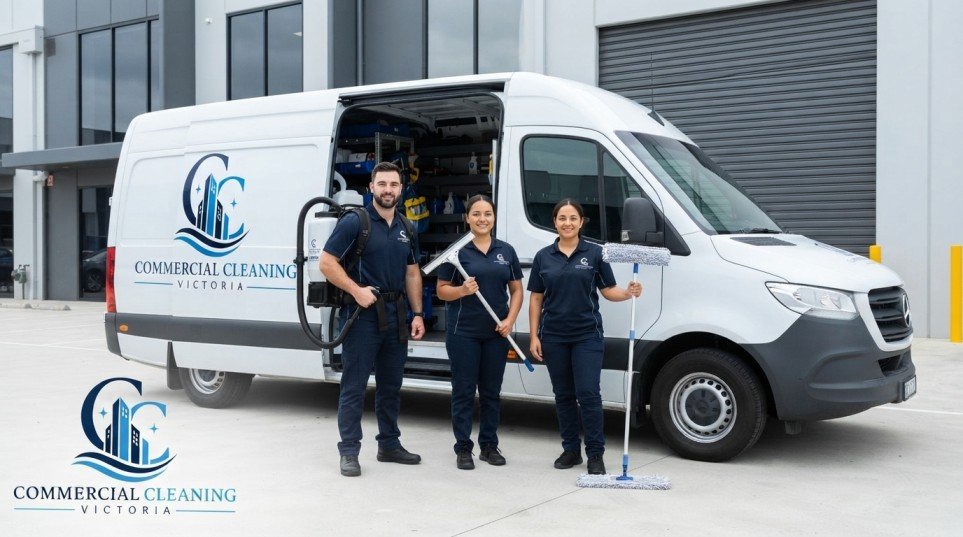
Conclusion
Industrial cleaning Melbourne businesses can rely on isn’t just about keeping a site tidy. It supports safety, productivity, and a professional standard across factories, warehouses, and production facilities.
With the right cleaning plan, industrial sites stay clean, organized, and easier to manage day to day without disrupting operations.
Commercial Cleaning Victoria provides industrial and factory cleaning services across Melbourne, tailored to how your site actually operates. Flexible scheduling. Trained staff. Consistent standards, every visit.
Get in touch today to discuss your industrial cleaning needs, or explore more guides on our cleaning blog.
Phone: 0492 465 266
Email: info@commercialcleaningvictoria.com.au